
Ball valves for power plants are vital for managing high-pressure fluids, like stream and water, reliably and effectively. Their durability, tight sealing, and fast operation make them integral power generation valves.
This blog explains how these valves contribute to operational safety and energy efficiency in power plants. For premium-quality high pressure ball valves and steam valves, Onero provides top-tier solutions designed for demanding power generation applications.
The Importance of Ball Valves for Power Plants
Ball valves are commonly used in power plants thanks to their characteristics and ability to provide reliable shut-off with a simple quarter-turn mechanism. Their durable design also allows themes to function efficiently in high-pressure and extreme temperature water flow and steam line systems. Above all, their fast operation reduces downtime during emergency shutdowns or routine maintenance, ensuring constant and safe plant operation.
Design and Structure of Ball Valves
Ball valves are designed to regulate fluids in factories. They are small yet strong and work well despite high pressure and temperature. The following are they key components of ball valves:
- A round ball with a hole to efficiently manage fluid flow.
- Strong materials like brass or stainless steel to prevent rusting.
- Include options for full or partial openings that control fluid movement.
- Types like single-piece, three-piece, or top-entry valves are available for different uses.
Advantages of Using Ball Valves for Power Plants
Safety Assurance Ball valves provide tight shut-off that prevents leaks, which is vital in high-pressure steam environments to protect equipment and personnel.
Efficiency Their limited pressure drop and ability to completely open or close quickly contribute to efficient energy use and flow control.
Durability These valves are made from corrosion-resistant materials, allowing them to withstand various harsh conditions that are common in power generation.
Versatility Ball valves integrate seamlessly with automated control systems, making them ideal for isolation, throttling applications, and critical control points.
How do ball valves compare with other valves in reliability and maintenance in power plants?
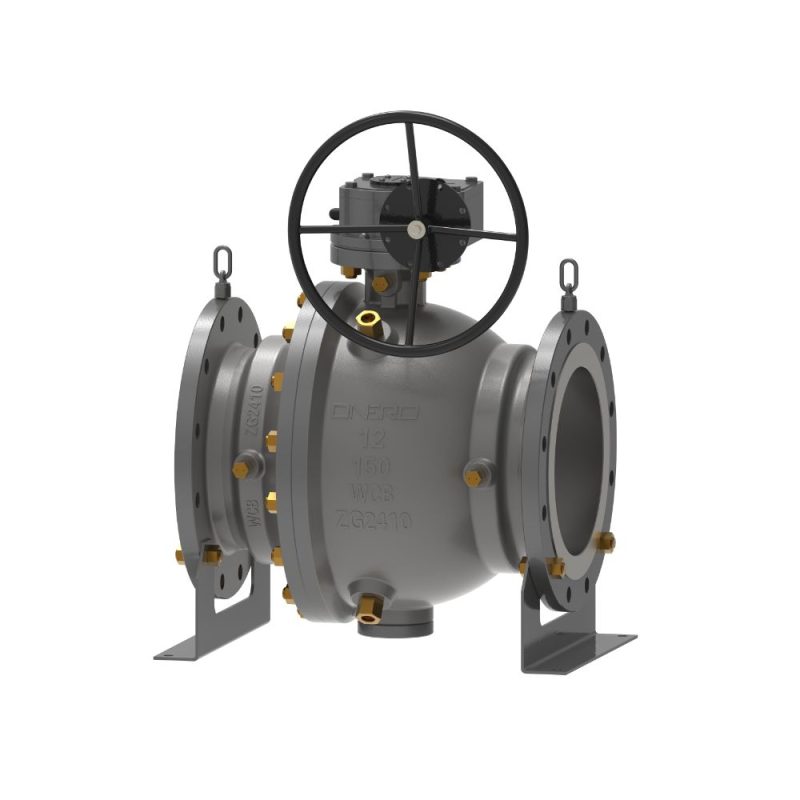
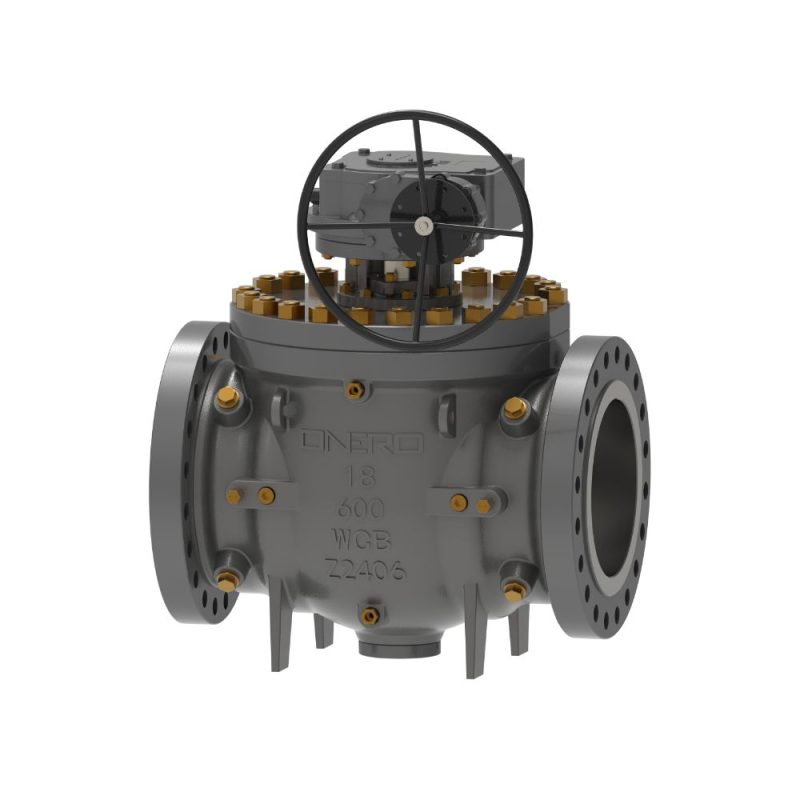
Top-entry, corrosion-resistant design. Easy maintenance. 1/2″–48″ size, 2500LB.
View Product
Withstands up to 500°C. Ideal for oil, gas, acid systems. Manual or electric drive.
View Product
Works at -196°C. For LNG, cryogenic gas, chemical processes. 1/2″–48″ range.
View ProductHigh pressure ball valves are built to handle the critical operating pressures in steam generation and distribution. Their materials and seat designs are designed to resist erosion and maintain tight shut-off over extended service life, minimizing maintenance expenses and enhancing reliability. Steam valves utilizing ball valve technology ensure precise flow control needed for turbine operation and boiler safety.
In general, ball valves provide outstanding sealing and need less maintenance compared to other valves, like gate or globe, despite the harsh conditions of power plants. Their features minimize wear points and potential leak paths, making them an ideal choice for critical sealing and control applications.
Conclusion
Ball valves for power plants are indispensable for ensuring operational safety, efficiency, and long-term reliability in power generation facilities. Their role as core power generation valves, particularly in extreme temperature and pressure steam and water systems, make them vital components for modern plants.
Notably, Onero specializes in supplying durable and high-performance high pressure ball valves and steam valves that meet strict industry and global standards. Investing Onero’s products is a smart move to enhance the safety and efficiency of power plant operations.


