
Understanding the differences between API 607 and API 6FA is essential when choosing industrial valves for fire-prone environments. These standards ensure valves perform safely during fire emergencies, protecting lives, property, and the environment. This article breaks down both standards, explaining their purposes, testing methods, and how to choose the right one for your needs.
What Are Fire-Safe Valves?
Fire-safe valves are designed to minimize leakage and maintain integrity during fire exposure. These valves prevent the release of hazardous materials, protecting people, equipment, and the environment. They are crucial for industries such as oil, gas, petrochemical, and chemical processing.
What Is API 607 Fire Safe Standard?
API 607 is an American Petroleum Institute (API) fire test standard used to evaluate the fire resistance of soft-seated, quarter-turn ball valves.
Its primary purpose is to ensure that valves maintain sealing performance during fire exposure, minimizing the leakage of flammable media and reducing the risk of fire escalation. The standard is widely applied in industries such as oil and gas, chemical processing, and refineries.
Key characteristics of API 607 include:
- Focus on soft-seated quarter-turn ball valves
- Fire test duration of 30 minutes
- Internal leakage control during fire exposure
What Is API 6FA Fire Test Standard?
API 6FA is a broader and more rigorous standard that covers various valve types, including metal-seated and soft-seated designs. It tests valves under extreme conditions, ensuring structural integrity, leak-tightness, and operability post-fire. API 6FA is primarily used in high-risk applications requiring superior fire protection, such as offshore drilling and petrochemical plants.
Key Points:
- Applies to both metal-seated and soft-seated valves.
- Fire test duration: 60 minutes.
- Ensures external and internal leakage are within acceptable limits.
API 607 vs API 6FA: Key Differences for Fire Safe Ball Valves
Both API 607 and API 6FA define standards for fire-safe valves but differ in scope, testing, and performance criteria. Let’s break down their differences:
| Feature | API 607 | API 6FA |
|---|---|---|
| Valve Types | Soft-seated quarter-turn ball valves | Soft & metal seated valves |
| Fire Test Duration | 30 minutes | 60 minutes |
| Leakage Criteria | Internal leakage | Internal & external leakage |
| Typical Applications | General industrial use | High-risk environments |
Fire Safe Ball Valves Compliant with API 607 and API 6FA
Choosing the appropriate standard ensures your system can withstand emergencies while minimizing risk.
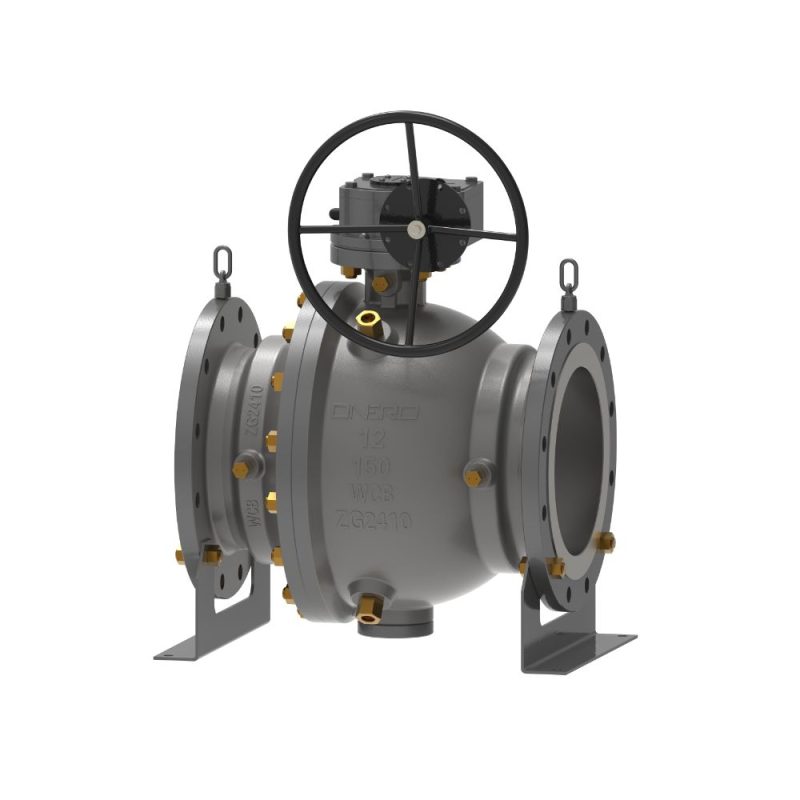
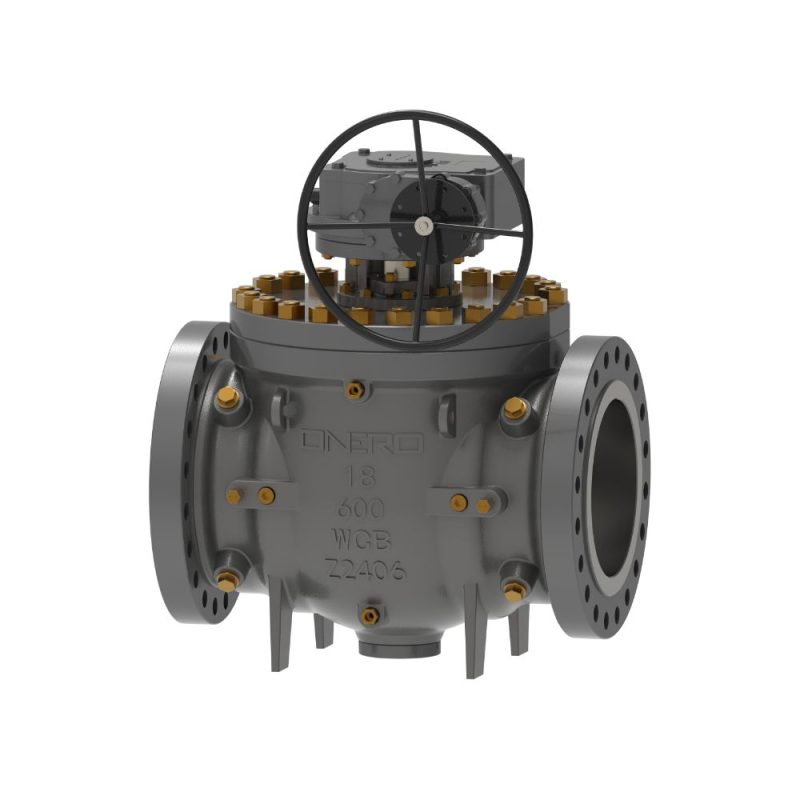
Top-entry, corrosion-resistant design. Easy maintenance. 1/2″–48″ size, 2500LB.
View Product
Withstands up to 500°C. Ideal for oil, gas, acid systems. Manual or electric drive.
View Product
Works at -196°C. For LNG, cryogenic gas, chemical processes. 1/2″–48″ range.
View ProductTesting Procedures for Fire-Safe Valves
Testing procedures ensure that fire-safe valves work reliably in extreme conditions. This section explains the API 607 fire test and API 6FA fire test, showing how each measures valve safety and performance during fires.
API 607 Fire Test
- Preparation: The valve is pressurized and placed in a controlled test rig to replicate operational settings.
- Fire Exposure: Flames between 750°C and 1,000°C engulf the valve for 30 minutes, mimicking actual fire conditions.
- Leakage Measurement: Internal leakage is carefully monitored throughout the test, ensuring it remains within permissible limits.
- Post-Test Inspection: Once cooled, the valve undergoes a functionality test and structural inspection to verify continued performance.
API 6FA Fire Test
- Preparation: The valve is pressurized to 75% of its maximum working pressure to simulate high-stress scenarios.
- Fire Exposure: It withstands intense flames at 750°C to 1,000°C for 60 minutes, reflecting prolonged fire exposure.
- Leakage Measurement: Both internal and external leakages are assessed during and after the fire test to ensure comprehensive safety.
- Operability Check: Post-test, the valve must complete at least one full open-and-close cycle to confirm functionality under fire-damaged conditions.
API 607 vs API 6FA: Which Fire Safe Valve Standard Do You Need?
Selecting between API 607 and API 6FA depends on your operational requirements and the pressure environment:
When to Choose API 607
Best for soft-seated ball valves in low- and medium-pressure applications. It is ideal for industries like gas distribution, chemical plants, and refineries where temperature extremes are moderate.
When to Choose API 6FA
Designed for high-pressure systems with more rigorous demands. Recommended for offshore rigs, subsea systems, and other critical high-stress environments. It ensures strong performance during long fire exposures and extreme conditions.
FAQs
1. What makes a valve “fire safe”?
A fire-safe valve maintains its sealing performance and structural integrity during and after exposure to high heat, preventing hazardous leaks.
2. How do I choose between API 607 and API 6FA?
Choose API 607 for standard industrial applications and API 6FA for high-risk environments requiring rigorous fire safety.
3. Are all valves fire-safe?
No. Only valves specifically designed and tested to standards like API 607 or API 6FA are fire-safe.
4. What industries use fire-safe valves?
Industries such as oil and gas, chemical processing, petrochemicals, and offshore drilling heavily rely on fire-safe valves.
5. Can API 6FA valves be used in API 607 applications?
Yes, API 6FA valves often meet or exceed API 607 standards and can be used interchangeably, especially in high-risk or demanding environments.
6. What is API 607 used for?
API 607 is used to evaluate the fire resistance of soft-seated, quarter-turn ball valves in industrial applications.
7. Is API 6FA more stringent than API 607?
Yes. API 6FA includes longer fire exposure and evaluates both internal and external leakage, making it more stringent for high-risk environments.
Enhance Fire Safety with the Right Valves
Understanding the nuances of API 607 and API 6FA standards is crucial for ensuring industrial safety. Choosing the right standard safeguards your operations against fire hazards while maintaining compliance with industry regulations.
Since 1986, ONERO has been at the forefront of the valve industry, pioneering innovations and setting high standards. As a certified manufacturer holding ISO9001 and API6D accreditations, ONERO combines cutting-edge research with unmatched quality to deliver reliable and advanced fire-safe valves. Explore our range of API-certified fire-safe valves, orcontact us for expert assistance in selecting the best solution for your needs.
Fire safety is non-negotiable. Invest in valves that perform when it matters most.
Meta description: Learn the key differences between API 607 and API 6FA fire-safety standards for ball valves. Understand testing methods, applications, and how to choose the right valve for fire-prone environments.


